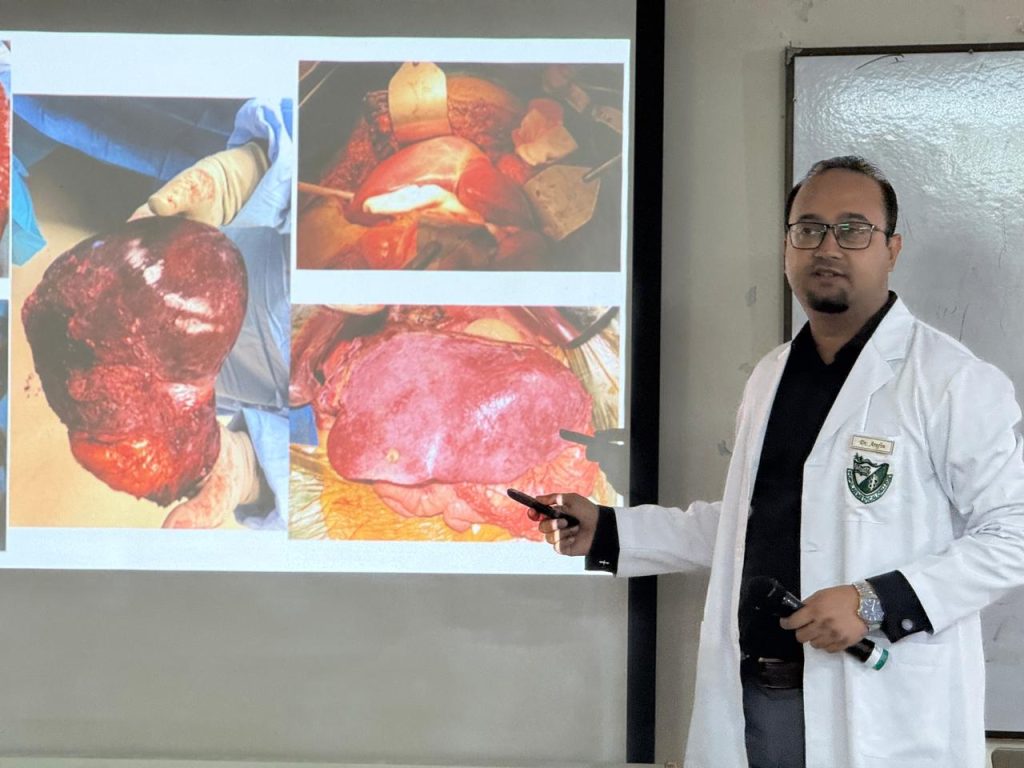
The spleen is an organ that often goes unnoticed in discussions about human anatomy, yet it plays a crucial role in our overall health. In English, the spleen is described as a fist-sized organ located in the upper left part of the abdomen, just beneath the rib cage. It is primarily responsible for filtering blood, recycling iron, and supporting the immune system. In Bengali, the spleen is referred to as “প্লীহা” (Pliha), and it holds similar significance in traditional medicine and health discussions. Understanding the spleen in both languages allows for a broader appreciation of its functions and importance.
In Bengali culture, the spleen is often associated with various health beliefs and practices. The term “প্লীহা” may not be as commonly discussed as other organs like the heart or liver, but it is still recognized for its vital functions. The connection between language and health can influence how individuals perceive their bodies and seek medical help. By bridging the gap between English and Bengali, I can better understand the spleen’s role in my health and the cultural implications surrounding it.
Understanding the meaning of “spleen” in Bengali, along with its English explanation and medical context, can provide valuable insights into both language and health. The spleen plays a crucial role in the immune system and blood filtration, making it an important organ to study. For those interested in exploring this topic further, you can refer to a related article that delves into the intricacies of the spleen and its functions. Check out the article here: Understanding Spleen: Meaning and Medical Context.
Explaining the Spleen in Medical Terms
Medically speaking, the spleen is classified as a lymphoid organ that plays a significant role in both the circulatory and immune systems. It is composed of two main types of tissue: red pulp and white pulp. The red pulp is responsible for filtering out old or damaged red blood cells, while the white pulp contains lymphocytes that help fight infections. This dual functionality makes the spleen an essential component of my body’s defense mechanism against pathogens.
The spleen also serves as a reservoir for blood, storing platelets and white blood cells that can be released into circulation when needed. This aspect of its function is particularly important during times of physical stress or injury when my body requires additional resources to maintain homeostasis. Understanding these medical terms helps me appreciate the complexity of the spleen and its contributions to my overall health.
The Role of the Spleen in the Human Body

The spleen’s role extends beyond mere filtration; it acts as a critical player in maintaining my body’s immune response. When pathogens enter my bloodstream, the spleen identifies and responds to these threats by producing antibodies and activating lymphocytes. This process is vital for preventing infections and ensuring that my immune system functions optimally. Without a healthy spleen, I would be more susceptible to illnesses and infections.
Moreover, the spleen contributes to the recycling of iron from old red blood cells, which is essential for producing new blood cells. This recycling process ensures that my body has a steady supply of iron, which is crucial for maintaining energy levels and overall vitality. The interconnectedness of the spleen with other organs highlights its importance in my body’s intricate systems, emphasizing why I should prioritize its health.
Common Medical Conditions Involving the Spleen

Several medical conditions can affect the spleen, leading to various health complications. One common condition is splenomegaly, which refers to an enlargement of the spleen. This can occur due to infections, liver diseases, or blood disorders. When my spleen becomes enlarged, it may cause discomfort or pain in the upper left abdomen, prompting me to seek medical attention.
Another condition that can impact the spleen is hypersplenism, where the organ becomes overactive and removes blood cells at an accelerated rate. This can lead to anemia or low platelet counts, resulting in fatigue and increased susceptibility to bleeding. Understanding these conditions helps me recognize potential symptoms and seek timely medical intervention if necessary.
Understanding the meaning of “spleen” in Bengali, along with its English explanation and medical context, can provide valuable insights into both language and health. The spleen plays a crucial role in the immune system and blood filtration, making it an important organ to study. For those interested in exploring more about how to effectively communicate complex topics like this, you might find this article on crafting captivating headlines helpful. By learning how to present information engagingly, you can enhance your understanding and sharing of medical concepts. For further reading, check out the article here.
Spleen Meaning in Bengali and its Relation to Liver Cancer
| Term | Bengali Meaning | English Explanation | Medical Context |
|---|---|---|---|
| Spleen | প্লীহা (Pleeha) | A fist-sized organ located in the upper left abdomen, involved in blood filtration and immune system functions. | Filters old and damaged red blood cells, stores white blood cells and platelets, and helps fight certain bacteria. |
| Splenomegaly | প্লীহার বৃদ্ধি (Pleehar Briddhi) | Enlargement of the spleen beyond its normal size. | Can indicate infections, liver diseases, blood cancers, or other systemic conditions. |
| Splenectomy | প্লীহা অপসারণ (Pleeha Aposaron) | Surgical removal of the spleen. | Performed in cases of trauma, certain blood disorders, or cancers affecting the spleen. |
| Functions of Spleen | প্লীহার কার্যাবলী (Pleehar Karyaboli) | Blood filtration, immune response, storage of blood cells. | Removes old red blood cells, produces lymphocytes, and stores platelets. |
| Common Diseases | সাধারণ রোগসমূহ (Sadharon Rogsomuh) | Infections, cysts, tumors, and hematologic disorders affecting the spleen. | Includes conditions like mononucleosis, lymphoma, and hypersplenism. |
In Bengali culture, understanding the spleen’s meaning extends beyond its anatomical definition; it also encompasses its relationship with various diseases, including liver cancer. The term “প্লীহা” may not be directly associated with liver cancer in everyday conversations, but there is an underlying awareness of how interconnected our organs are. Liver cancer can lead to complications that affect the spleen, such as splenomegaly due to increased pressure in the portal vein.
When I think about liver cancer and its implications for my health, I realize that maintaining a healthy spleen is crucial for overall well-being. The spleen’s ability to filter blood and support immune function becomes even more significant when considering diseases like liver cancer. This connection emphasizes the importance of regular check-ups and monitoring my health to catch any potential issues early on.
Spleen Meaning in Bengali and its Relation to Liver Cirrhosis
For reliable health advice, Get best medical expert consultation today.
Similarly, liver cirrhosis has a profound impact on spleen health, making it essential to understand this relationship within the context of Bengali culture. Liver cirrhosis refers to the scarring of the liver due to long-term damage, which can lead to increased pressure in the portal vein—a condition known as portal hypertension. This increased pressure can cause the spleen to enlarge, leading to complications such as hypersplenism.
In Bengali discussions about health, there may be a tendency to focus on liver health without fully considering how it affects other organs like the spleen. By recognizing this connection, I can better appreciate the importance of holistic health practices that consider all aspects of my body. Understanding how liver cirrhosis relates to spleen function encourages me to adopt healthier lifestyle choices that support both organs.
Symptoms of Spleen Disorders in Bengali and English
Recognizing symptoms of spleen disorders is crucial for timely intervention. In English, common symptoms may include abdominal pain or discomfort, fatigue, frequent infections, and easy bruising or bleeding. These signs can indicate underlying issues with my spleen that require medical evaluation. In Bengali, I might describe these symptoms using terms like “পেটের ব্যথা” (abdominal pain) or “শক্তি হ্রাস” (reduced energy), which resonate with cultural expressions of health concerns.
Understanding these symptoms in both languages allows me to communicate effectively with healthcare providers and seek help when necessary. For instance, if I experience persistent abdominal pain or notice unusual bruising, I can articulate my concerns clearly in either language, ensuring that I receive appropriate care.
Treatment Options for Spleen Disorders
When it comes to treating spleen disorders, options vary depending on the underlying condition. For mild cases of splenomegaly or hypersplenism, doctors may recommend monitoring and lifestyle changes rather than immediate intervention. This approach allows me to manage symptoms while avoiding unnecessary procedures. However, if my condition worsens or becomes severe, surgical removal of the spleen—known as splenectomy—may be necessary.
In addition to surgical options, there are also medical treatments available for conditions affecting the spleen. For instance, if an infection is causing splenic issues, antibiotics may be prescribed to address the underlying cause. Understanding these treatment options empowers me to engage actively in my healthcare decisions and advocate for myself when discussing potential interventions with my doctor.
Importance of Spleen Health in Bengali Culture
In Bengali culture, there is often a strong emphasis on holistic health practices that encompass physical, mental, and spiritual well-being. While discussions about specific organs like the spleen may not be prevalent, there is an inherent understanding of how interconnected our bodily systems are. Maintaining good health is often viewed as a collective responsibility involving diet, exercise, and regular check-ups.
Traditional Bengali medicine may also offer insights into maintaining spleen health through dietary recommendations or herbal remedies believed to support organ function. By integrating these cultural practices into my daily life, I can foster a greater sense of awareness about my body and prioritize my overall well-being.
Tips for Maintaining a Healthy Spleen
To maintain a healthy spleen, I can adopt several lifestyle habits that promote overall wellness. First and foremost, a balanced diet rich in fruits, vegetables, whole grains, and lean proteins supports my immune system and provides essential nutrients for organ function. Staying hydrated is equally important; drinking plenty of water helps facilitate proper blood circulation and supports kidney function.
Regular physical activity also plays a vital role in maintaining spleen health. Engaging in moderate exercise not only boosts my immune system but also helps manage stress levels—an important factor in overall health. Additionally, avoiding excessive alcohol consumption and refraining from smoking are crucial steps I can take to protect my liver and subsequently support my spleen’s function.
Seeking Medical Help for Spleen-related Issues
Finally, seeking medical help for any concerns related to my spleen is essential for ensuring timely diagnosis and treatment. If I experience symptoms such as persistent abdominal pain or unusual fatigue, I should not hesitate to consult a healthcare professional. Early intervention can make a significant difference in managing potential conditions affecting my spleen.
In both Bengali and English-speaking contexts, advocating for my health means being proactive about seeking help when needed. By understanding the importance of my spleen and recognizing its role within my body’s systems, I can take charge of my health journey with confidence and awareness.
FAQs
What is the spleen and where is it located in the body?
The spleen is an organ located in the upper left part of the abdomen, just beneath the rib cage. It plays a vital role in filtering blood, recycling old red blood cells, and supporting the immune system by producing white blood cells and antibodies.
What is the meaning of the word “spleen” in Bengali?
In Bengali, the spleen is called “প্লীহা” (pronounced “plīhā”). This term refers specifically to the anatomical organ involved in blood filtration and immune functions.
What are the primary medical functions of the spleen?
Medically, the spleen is responsible for filtering and removing old or damaged red blood cells, storing white blood cells and platelets, and helping fight certain kinds of bacteria that cause pneumonia and meningitis. It also plays a role in the body’s immune response.
Can the spleen be removed, and what are the consequences?
Yes, the spleen can be surgically removed in a procedure called a splenectomy, often due to injury or disease. While people can live without a spleen, they may have a higher risk of infections and often require vaccinations and preventive antibiotics to compensate for the loss of immune function.
What are common medical conditions related to the spleen?
Common spleen-related conditions include splenomegaly (enlarged spleen), spleen rupture due to trauma, infections like mononucleosis, and blood disorders such as anemia or thrombocytopenia. These conditions can affect the spleen’s ability to function properly and may require medical evaluation and treatment.