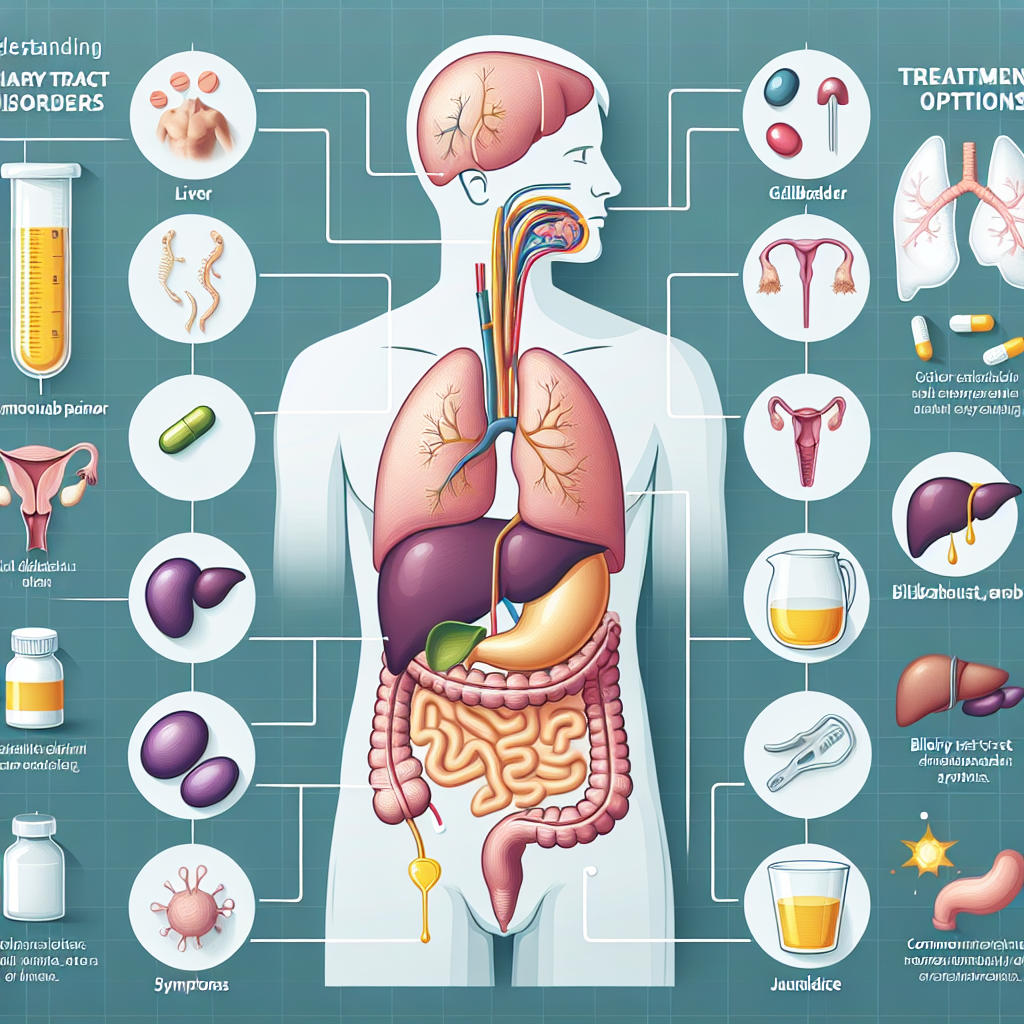
As I delve into the topic of pancreas infection, I find it essential to grasp the fundamental aspects of this condition. The pancreas, a vital organ located behind the stomach, plays a crucial role in digestion and blood sugar regulation. When it becomes infected, it can lead to a range of complications that may significantly impact one’s health. Pancreas infections, often referred to as pancreatic infections, can arise from various underlying issues, including pancreatitis, which is inflammation of the pancreas. Understanding the nature of this infection is crucial for early detection and effective management.
The infection can manifest in different forms, with acute and chronic pancreatitis being the most common precursors. Acute pancreatitis may occur suddenly and can be life-threatening if not treated promptly. On the other hand, chronic pancreatitis develops over time and can lead to permanent damage to the pancreas. The symptoms of a pancreas infection can vary widely, making it imperative for individuals to be aware of their bodies and seek medical attention when necessary. By understanding the pancreas’s role and the implications of its infection, I can better appreciate the importance of timely intervention and treatment.
If you’re looking to deepen your understanding of pancreas infections, you may find it helpful to read a related article that discusses the importance of engaging titles in attracting readers to health-related content. This article emphasizes how a compelling title can draw attention to critical topics such as the causes, diagnosis steps, and treatment options for pancreas infections. To explore this further, you can visit the article here: The Art of Drawing Readers In.
Causes of Pancreas Infection: Identifying the Risk Factors
Identifying the causes of pancreas infection is a critical step in understanding how to prevent it. One of the primary risk factors is excessive alcohol consumption, which can lead to inflammation and damage to the pancreas. I have learned that chronic alcohol abuse can result in repeated episodes of pancreatitis, increasing the likelihood of infection. Additionally, gallstones are another significant contributor; they can block the pancreatic duct, leading to inflammation and subsequent infection. Recognizing these risk factors allows me to be more mindful of my lifestyle choices and their potential impact on my health.
Other risk factors include obesity, smoking, and certain genetic predispositions. I have come to realize that obesity can lead to metabolic changes that increase the risk of pancreatitis and infection. Smoking, too, has been linked to pancreatic diseases, as it can exacerbate inflammation and hinder recovery. Furthermore, some individuals may have a genetic predisposition to pancreatic conditions, making them more susceptible to infections. By understanding these risk factors, I can take proactive steps to mitigate my chances of developing a pancreas infection.
Recognizing the Symptoms of Pancreas Infection: When to Seek Medical Help

Recognizing the symptoms of a pancreas infection is crucial for timely intervention. I have learned that common symptoms include severe abdominal pain, nausea, vomiting, and fever. The pain often radiates to the back and may worsen after eating or drinking. It is essential for me to pay attention to these signs, as they can indicate a serious underlying issue that requires immediate medical attention. Additionally, I should be aware that some individuals may experience jaundice, characterized by yellowing of the skin and eyes, which can signal complications related to bile duct obstruction.
When faced with these symptoms, I must not hesitate to seek medical help. Delaying treatment can lead to severe complications, including sepsis or organ failure. I have come to understand that early diagnosis and intervention are key factors in improving outcomes for those with pancreas infections. If I experience persistent abdominal pain accompanied by other symptoms such as fever or jaundice, I should prioritize my health and consult a healthcare professional without delay.
Diagnosing Pancreas Infection: Steps and Tests Involved

The process of diagnosing a pancreas infection involves several steps and tests that help healthcare professionals determine the underlying cause and severity of the condition. Initially, a thorough medical history and physical examination are conducted. During this stage, I may be asked about my symptoms, lifestyle habits, and any previous medical conditions that could contribute to pancreatic issues. This information is vital for guiding further diagnostic steps.
Following the initial assessment, imaging tests such as ultrasound or CT scans are often employed to visualize the pancreas and surrounding structures. These imaging techniques allow doctors to identify any inflammation, fluid collections, or abscesses that may indicate an infection. Blood tests are also crucial in diagnosing pancreas infections; they can reveal elevated levels of pancreatic enzymes, indicating inflammation or damage. By understanding these diagnostic steps, I can appreciate the importance of a comprehensive approach in identifying pancreas infections accurately.
Understanding pancreas infections can be complex, but gaining insights into their causes, diagnosis steps, and effective treatment options is crucial for managing this condition. For those looking to delve deeper into related health topics, you might find this article on crafting captivating headlines particularly useful, as it offers valuable tips for engaging readers and enhancing communication. You can read more about it here.
The Link Between Pancreas Infection and Liver Cancer
For reliable health advice, Get best medical expert consultation today.
The relationship between pancreas infection and liver cirrhosis is another critical area worth exploring. Chronic inflammation in the pancreas can lead to complications that affect liver function over time. For instance, when bile ducts become obstructed due to pancreatic inflammation or scarring, it can result in increased pressure within the liver’s blood vessels. This pressure can contribute to liver damage and ultimately lead to cirrhosis.
Cirrhosis itself is characterized by scarring of liver tissue and impaired liver function. As I learn more about this connection, I realize that individuals with chronic pancreatitis are at a higher risk for developing cirrhosis due to ongoing inflammation and potential complications related to bile duct obstruction. This knowledge reinforces my understanding of how interconnected our bodily systems are and highlights the importance of maintaining overall health to prevent cascading effects on multiple organs.
Complications of Pancreas Infection: Understanding the Potential Risks
Understanding the potential complications associated with pancreas infections is crucial for anyone concerned about their health. One significant complication is the development of abscesses within or around the pancreas. These fluid-filled pockets can become infected and may require drainage or surgical intervention if they do not resolve on their own. Additionally, severe infections can lead to sepsis—a life-threatening condition characterized by widespread inflammation throughout the body.
Another potential complication is organ failure due to severe inflammation or infection spreading beyond the pancreas. This situation can result in multi-organ dysfunction syndrome (MODS), where multiple organs begin to fail simultaneously. As I reflect on these risks, I recognize the importance of early detection and treatment in preventing complications from escalating into life-threatening situations. By being proactive about my health and seeking medical attention when necessary, I can mitigate these risks effectively.
Treatment Options for Pancreas Infection: Managing the Infection Effectively
When it comes to treating a pancreas infection, several options are available depending on the severity and underlying cause of the condition. In mild cases, conservative management may be sufficient; this often includes fasting from food for a short period to allow the pancreas time to heal while receiving supportive care such as intravenous fluids for hydration. As I learn more about this approach, I appreciate how important it is for healthcare providers to tailor treatment plans based on individual needs.
In more severe cases where there is significant infection or abscess formation, antibiotics may be prescribed alongside other interventions such as drainage procedures or surgery if necessary. Understanding these treatment options empowers me to engage in discussions with healthcare professionals about my care plan should I ever face a pancreas infection myself. It also highlights the importance of adhering to prescribed treatments and follow-up appointments for optimal recovery.
Antibiotics and Other Medications for Pancreas Infection: What You Need to Know
Antibiotics play a crucial role in managing pancreas infections caused by bacterial pathogens. When prescribed antibiotics, it is essential for me to understand their purpose and how they work within my body. These medications target specific bacteria responsible for causing infections, helping reduce inflammation and promote healing in the affected area. However, I must also be aware that not all cases of pancreas infection require antibiotics; their use depends on whether there is evidence of bacterial involvement.
In addition to antibiotics, other medications may be utilized during treatment for pancreas infections. Pain management is often necessary due to the discomfort associated with inflammation; therefore, analgesics may be prescribed as part of my care plan. Furthermore, if there are issues related to digestion or enzyme production due to pancreatic damage, enzyme replacement therapy might be recommended as well. By understanding these medications’ roles in managing pancreas infections effectively, I feel more equipped to navigate my healthcare journey should I encounter this condition.
Surgical Interventions for Pancreas Infection: When They Are Necessary
While many cases of pancreas infection can be managed conservatively or with medication alone, there are instances where surgical interventions become necessary. If an abscess forms within or around the pancreas that does not respond adequately to antibiotics or drainage procedures, surgery may be required to remove infected tissue or drain fluid collections effectively. As I consider this possibility, I recognize that surgical options are typically reserved for more severe cases where conservative measures have failed.
Additionally, surgery may be indicated if there are complications such as necrotizing pancreatitis—where pancreatic tissue dies due to lack of blood flow or severe inflammation—or if there is significant damage requiring resection of part of the pancreas itself. Understanding when surgical interventions become necessary helps me appreciate the complexity involved in managing pancreas infections effectively while also emphasizing the importance of timely medical intervention.
Preventing Pancreas Infection: Tips for Lowering Your Risk
Prevention is always better than cure; this adage rings particularly true when it comes to reducing my risk of developing a pancreas infection. One key strategy involves adopting a healthy lifestyle that includes maintaining a balanced diet low in saturated fats and sugars while rich in fruits, vegetables, whole grains, and lean proteins. By prioritizing nutrition, I can support my overall health and reduce my risk factors associated with pancreatitis.
Another essential aspect of prevention is moderating alcohol consumption and avoiding smoking altogether—both known contributors to pancreatic diseases. Regular exercise also plays a vital role in maintaining a healthy weight; obesity is a significant risk factor for pancreatitis and subsequent infections. By incorporating these preventive measures into my daily routine, I feel empowered to take charge of my health while minimizing my chances of encountering serious conditions like pancreas infections in the future.
In conclusion, understanding pancreas infections involves recognizing their causes, symptoms, diagnostic processes, potential complications, treatment options, and preventive measures. By being informed about this condition’s intricacies and taking proactive steps toward maintaining my health, I can significantly reduce my risk while ensuring timely intervention should any issues arise.
FAQs
What are the common causes of pancreas infection?
Pancreas infections, also known as pancreatic infections, are often caused by bacterial infections following pancreatitis, pancreatic trauma, or pancreatic surgery. Other causes include gallstones, chronic alcohol use, and certain medical procedures that introduce bacteria into the pancreas.
How is a pancreas infection diagnosed?
Diagnosis typically involves a combination of medical history review, physical examination, blood tests to check for infection markers, imaging studies such as CT scans or MRI to identify inflammation or abscesses, and sometimes fluid sampling from the pancreas for culture.
What symptoms indicate a pancreas infection?
Symptoms may include severe abdominal pain, fever, nausea, vomiting, increased heart rate, and signs of systemic infection such as chills or sweating. These symptoms often occur in the context of acute pancreatitis or after pancreatic injury.
What treatment options are available for pancreas infections?
Treatment usually involves antibiotics to combat bacterial infection, supportive care including pain management and hydration, and in some cases, drainage of abscesses or infected fluid collections. Severe cases may require surgical intervention.
Can pancreas infections be prevented?
Prevention focuses on managing risk factors such as controlling gallstones, limiting alcohol consumption, and promptly treating pancreatitis. Maintaining good hygiene during medical procedures and early treatment of pancreatic inflammation can also reduce infection risk.