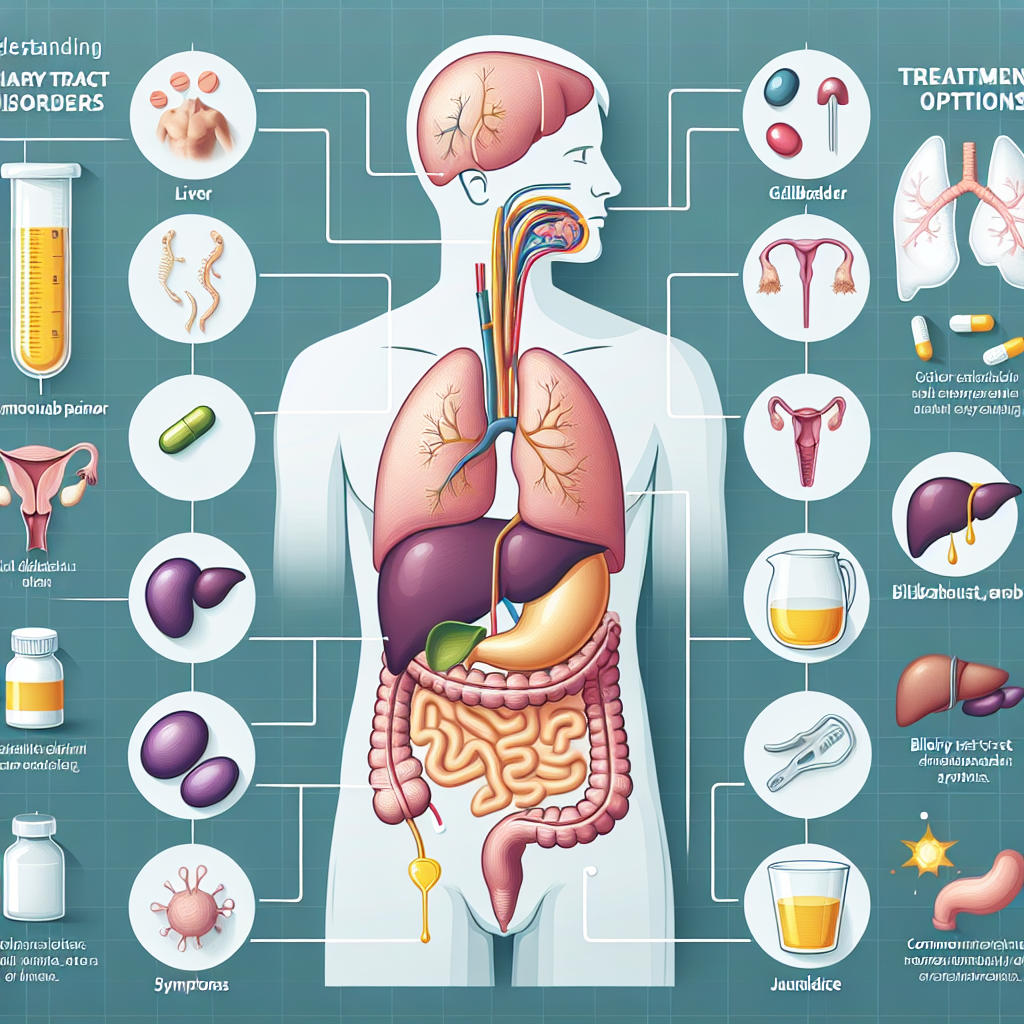
The pancreas is a vital organ located in the abdomen, nestled between the stomach and the spine. This elongated, flat gland plays a crucial role in both the digestive and endocrine systems of the body. Its dual functionality allows it to produce digestive enzymes that aid in the breakdown of food, as well as hormones that regulate blood sugar levels. The pancreas is often overlooked in discussions about health, yet its importance cannot be overstated. Understanding its structure and functions is essential for appreciating how it contributes to overall well-being.
In addition to its physiological roles, the pancreas has garnered attention in medical research due to its involvement in various diseases, including diabetes and pancreatitis. As scientists continue to explore the complexities of this organ, they uncover new insights into how it affects not only digestion but also metabolic processes. The pancreas serves as a reminder of the intricate connections within the human body, where one organ’s health can significantly impact another’s function.
In exploring the meaning of the pancreas in Bengali, it is essential to understand its critical role in the human body, particularly in digestion and blood sugar regulation. For a deeper insight into this topic, you can refer to a related article that discusses the pancreas’s functions and its significance in various medical contexts. This article provides valuable information that complements the understanding of the pancreas in both Bengali and English. To read more, visit the following link: related article.
Pancreas Meaning in Bengali
In Bengali, the term for pancreas is “অগ্ন্যাশয়” (pronounced as “Agn’yāśaẏa”). This word encapsulates the essence of the organ, which is often discussed in medical contexts and health-related conversations. The significance of the pancreas extends beyond its biological functions; it also holds cultural relevance in Bengali society, where health and wellness are deeply valued.
The understanding of the pancreas in Bengali culture is often intertwined with traditional beliefs about health. Many people recognize the importance of maintaining a healthy pancreas for overall well-being, especially in relation to dietary habits. As awareness of pancreatic health grows, so does the need for education about its functions and potential disorders, making it a topic of increasing relevance in both medical and cultural discussions.
Understanding the Pancreas in Medical Context

In medical terms, the pancreas is classified as both an exocrine and endocrine gland. The exocrine component is responsible for producing digestive enzymes such as amylase, lipase, and proteases, which are secreted into the small intestine to facilitate digestion. These enzymes break down carbohydrates, fats, and proteins, allowing nutrients to be absorbed effectively by the body. The endocrine portion of the pancreas consists of clusters of cells known as islets of Langerhans, which secrete hormones like insulin and glucagon directly into the bloodstream.
The dual nature of the pancreas highlights its complexity and importance in maintaining homeostasis within the body. Medical professionals often emphasize the need for a healthy pancreas to prevent metabolic disorders. Understanding how this organ functions can help individuals make informed choices about their diets and lifestyles, ultimately leading to better health outcomes.
Functions of the Pancreas

The primary functions of the pancreas can be categorized into two main areas: digestive and hormonal. In terms of digestion, the pancreas produces a variety of enzymes that are essential for breaking down food components. Amylase helps digest carbohydrates, lipase breaks down fats, and proteases are responsible for protein digestion. These enzymes are secreted into the small intestine, where they work in conjunction with bile from the liver to ensure that nutrients are effectively absorbed.
On the hormonal side, the pancreas plays a critical role in regulating blood sugar levels through the secretion of insulin and glucagon. Insulin lowers blood sugar levels by facilitating the uptake of glucose into cells, while glucagon raises blood sugar levels by stimulating the liver to release stored glucose. This delicate balance is crucial for maintaining energy levels and overall metabolic health. Disruptions in these functions can lead to serious health issues, underscoring the importance of a well-functioning pancreas.
Understanding the meaning of the pancreas in Bengali, along with its English explanation and medical context, is crucial for those interested in health and nutrition. The pancreas plays a vital role in digestion and blood sugar regulation, making it essential for overall well-being. For a deeper insight into related topics, you can explore this article that discusses the importance of various organs in the human body, including the pancreas, and how they contribute to maintaining a healthy lifestyle.
Pancreatic Diseases and Disorders
| Term | Bengali Meaning | English Explanation | Medical Context |
|---|---|---|---|
| Pancreas | অগ্ন্যাশয় (Agnyashoy) | A glandular organ in the digestive system and endocrine system that produces enzymes and hormones like insulin. | Essential for digestion and blood sugar regulation. |
| Insulin | ইনসুলিন | A hormone produced by the pancreas that regulates blood glucose levels. | Used in treatment of diabetes mellitus. |
| Pancreatitis | অগ্ন্যাশয়ের প্রদাহ | Inflammation of the pancreas causing abdominal pain and digestive issues. | Can be acute or chronic; requires medical attention. |
| Exocrine Function | বহিঃস্রাবী কার্য | Secretion of digestive enzymes into the small intestine. | Helps in breaking down carbohydrates, proteins, and fats. |
| Endocrine Function | অন্তঃস্রাবী কার্য | Secretion of hormones like insulin and glucagon into the bloodstream. | Regulates metabolism and blood sugar levels. |
Pancreatic diseases can significantly impact an individual’s health and quality of life. One of the most common disorders associated with the pancreas is diabetes mellitus, which occurs when insulin production is insufficient or when cells become resistant to insulin’s effects. Type 1 diabetes is characterized by an autoimmune response that destroys insulin-producing cells, while Type 2 diabetes often results from lifestyle factors such as obesity and inactivity.
Another significant condition affecting the pancreas is pancreatitis, which is inflammation of the pancreas that can be acute or chronic. Acute pancreatitis may result from gallstones or excessive alcohol consumption, leading to severe abdominal pain and digestive issues. Chronic pancreatitis can develop over time due to repeated episodes of inflammation, resulting in permanent damage to pancreatic tissue and impaired function. Understanding these diseases is essential for early detection and effective management.
Understanding the meaning of the pancreas in Bengali, along with its English explanation and medical context, is essential for those interested in human anatomy and health. The pancreas plays a crucial role in digestion and blood sugar regulation, making it a vital organ in the endocrine and digestive systems. For a deeper insight into how the pancreas functions and its significance in various medical conditions, you can explore this related article that provides comprehensive information. To learn more about this topic, visit this article for valuable insights.
Importance of the Pancreas in Digestion
For reliable health advice, Get best medical expert consultation today.
The pancreas plays an indispensable role in digestion by producing enzymes that break down food into absorbable nutrients. Without these enzymes, the body would struggle to extract essential vitamins, minerals, and energy from consumed food. The process begins when food enters the stomach and then moves into the small intestine, where pancreatic enzymes are released to continue digestion.
Moreover, the pancreas also helps neutralize stomach acid as it enters the small intestine by secreting bicarbonate. This action creates an optimal environment for digestive enzymes to function effectively. The interplay between pancreatic enzymes and other digestive fluids ensures that nutrients are broken down efficiently, allowing for proper absorption into the bloodstream. Thus, a healthy pancreas is fundamental for optimal digestive health.
Pancreas in Bengali Culture and Tradition
In Bengali culture, health is often viewed through a holistic lens that encompasses physical, mental, and spiritual well-being. The pancreas may not be explicitly mentioned in traditional practices; however, its significance is implied through discussions about diet and nutrition. Many Bengalis emphasize the importance of consuming balanced meals rich in nutrients to support overall health, indirectly acknowledging the role of the pancreas in digestion.
Traditional Bengali cuisine often includes a variety of ingredients that promote digestive health, such as lentils, vegetables, and spices like turmeric and ginger. These foods not only provide essential nutrients but also support pancreatic function by promoting healthy digestion. As awareness about pancreatic health increases, there is a growing interest in incorporating foods that nourish this vital organ into daily diets.
Pancreatic Enzymes and Hormones
The enzymes produced by the pancreas are crucial for effective digestion. Amylase breaks down carbohydrates into simple sugars; lipase aids in fat digestion; and proteases such as trypsin and chymotrypsin break down proteins into amino acids. These enzymes work synergistically to ensure that food is adequately processed before nutrients are absorbed into the bloodstream.
In addition to digestive enzymes, pancreatic hormones play a pivotal role in regulating metabolism. Insulin facilitates glucose uptake by cells, while glucagon stimulates glucose release from the liver when blood sugar levels drop. The balance between these hormones is vital for maintaining stable energy levels throughout the day. Disruptions in hormone production can lead to metabolic disorders such as diabetes, highlighting the importance of pancreatic health.
Role of the Pancreas in Blood Sugar Regulation
The regulation of blood sugar levels is one of the most critical functions performed by the pancreas. Insulin and glucagon work together to maintain glucose homeostasis within a narrow range. When blood sugar levels rise after eating, insulin is released to help cells absorb glucose for energy or storage as glycogen in the liver and muscles. Conversely, when blood sugar levels drop between meals or during physical activity, glucagon signals the liver to release stored glucose back into circulation.
This intricate feedback system ensures that energy supply meets demand throughout various activities during the day. When this balance is disrupted—whether due to insulin resistance or insufficient insulin production—individuals may experience symptoms ranging from fatigue to severe complications associated with diabetes. Therefore, understanding how the pancreas regulates blood sugar is essential for managing overall health.
Common Pancreatic Health Issues
Several common health issues can affect pancreatic function and overall well-being. Diabetes mellitus remains one of the most prevalent conditions linked to pancreatic dysfunction. As mentioned earlier, Type 1 diabetes results from autoimmune destruction of insulin-producing cells, while Type 2 diabetes often arises from lifestyle factors such as poor diet and lack of exercise.
Pancreatitis is another significant concern that can lead to severe complications if left untreated. Acute pancreatitis may require hospitalization due to intense abdominal pain and potential complications like infection or organ failure. Chronic pancreatitis can lead to long-term damage and may necessitate lifestyle changes or medical interventions to manage symptoms effectively.
The Significance of the Pancreas in Overall Health
In conclusion, the pancreas is an organ of immense significance that plays a multifaceted role in maintaining overall health. Its contributions to digestion through enzyme production and its regulatory functions via hormone secretion underscore its importance in metabolic processes. Awareness of pancreatic health is crucial for preventing diseases such as diabetes and pancreatitis that can have far-reaching effects on an individual’s quality of life.
As research continues to unveil new insights into pancreatic function and disease prevention strategies, individuals are encouraged to prioritize their pancreatic health through balanced diets and healthy lifestyles. By understanding this vital organ’s role within their bodies, people can take proactive steps toward achieving better health outcomes and enhancing their overall well-being.
FAQs
What is the meaning of the pancreas in Bengali?
The pancreas is called “অগ্ন্যাশয়” (Agnyashoy) in Bengali. It is an important organ involved in digestion and blood sugar regulation.
What is the primary function of the pancreas?
The pancreas produces digestive enzymes that help break down food in the small intestine and also secretes hormones like insulin and glucagon to regulate blood sugar levels.
Where is the pancreas located in the human body?
The pancreas is located in the abdomen, behind the stomach and close to the small intestine.
What are common medical conditions related to the pancreas?
Common medical conditions include pancreatitis (inflammation of the pancreas), pancreatic cancer, and diabetes mellitus, which involves impaired insulin production or function.
How is the pancreas important in medical diagnosis and treatment?
The pancreas is crucial in diagnosing digestive disorders and diabetes. Treatments may involve managing enzyme levels, insulin therapy, or surgery depending on the condition affecting the pancreas.