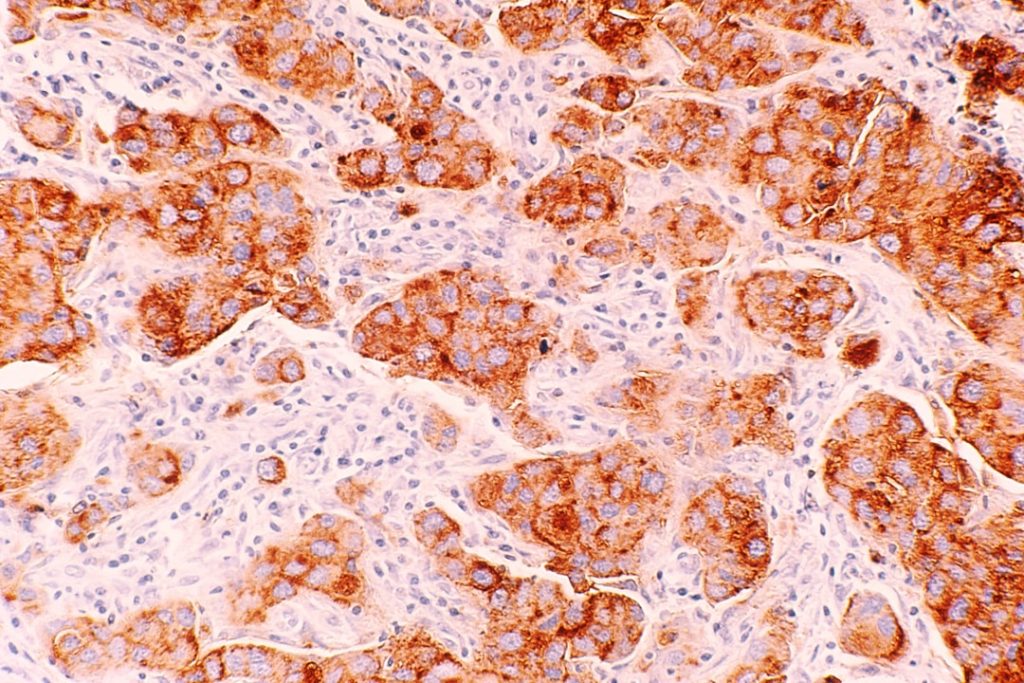
A liver abscess is a localized collection of pus within the liver tissue, typically resulting from infectious processes. This condition develops through various pathways, including bacterial infections, parasitic infestations, or complications from underlying diseases. The liver performs essential functions including detoxification, protein synthesis, bile production, and metabolic regulation.
The presence of an abscess can significantly compromise these vital processes and lead to serious health complications. Pyogenic liver abscesses represent the most common form and are primarily caused by bacterial infections. These infections may originate from several sources: ascending biliary tract infections, hematogenous spread through the portal venous system, direct extension from adjacent infected organs, or penetrating trauma to the liver.
Amoebic liver abscesses constitute another significant category, caused by the protozoan parasite Entamoeba histolytica, which typically spreads from intestinal amebiasis to the liver through portal circulation. Accurate identification of the underlying etiology is fundamental for determining appropriate therapeutic interventions and achieving optimal patient outcomes.
Key Takeaways
- Liver abscess is a serious condition requiring prompt diagnosis and treatment to prevent complications.
- Symptoms include fever, abdominal pain, and jaundice, necessitating emergency medical attention.
- Dr. Arefin emphasizes timely drainage and antibiotic therapy as key components of effective liver abscess treatment.
- Proper infection control and follow-up care are crucial for full recovery and preventing recurrence.
- Addressing liver abscess in Dhaka involves overcoming healthcare challenges with expert emergency care and advanced treatment methods.
Symptoms and Diagnosis of Liver Abscess
Recognizing the symptoms of a liver abscess can be challenging, as they often mimic those of other conditions.
You may also experience fatigue and a general feeling of malaise.
In some cases, jaundice may occur if the bile ducts are affected. If you notice these symptoms persisting or worsening, it’s vital to consult a healthcare professional for an accurate diagnosis. Diagnosis typically involves a combination of physical examinations and imaging studies.
Your doctor may perform blood tests to check for signs of infection and assess liver function. Imaging techniques such as ultrasound or CT scans are crucial in visualizing the abscess and determining its size and location. These diagnostic tools help your healthcare provider formulate an effective treatment plan tailored to your specific needs.
Importance of Emergency Care for Liver Abscess

Emergency care is critical when dealing with a liver abscess due to the potential for severe complications. If left untreated, an abscess can lead to sepsis, a life-threatening condition that occurs when the body’s response to infection causes widespread inflammation. You may not realize how quickly an infection can escalate, making it essential to seek immediate medical attention if you suspect a liver abscess.
Timely intervention can significantly improve outcomes and reduce the risk of complications. Emergency care often involves hospitalization for monitoring and treatment.
If you experience severe abdominal pain or other alarming symptoms, don’t hesitate to seek emergency care; your health could depend on it.
Dr. Arefin is renowned for his comprehensive approach to treating liver abscesses. His methodology emphasizes thorough assessment and individualized care plans tailored to each patient’s unique situation.
When you consult with Dr. Arefin, you can expect a detailed evaluation that considers your medical history, current symptoms, and any underlying conditions that may contribute to your liver health. Dr.
Arefin believes in a multidisciplinary approach that often involves collaboration with specialists in infectious diseases and radiology. This teamwork ensures that you receive the most effective treatment options available. Whether it’s through medication management or procedural interventions, Dr.
Arefin is dedicated to providing you with the highest standard of care throughout your treatment journey.
Liver Abscess Drainage: Procedure and Benefits
One of the most common treatments for a liver abscess is drainage, which can be performed percutaneously or surgically depending on the size and location of the abscess. Percutaneous drainage involves inserting a needle through the skin into the abscess under imaging guidance, allowing for the removal of pus without major surgery. This minimally invasive procedure often results in quicker recovery times and less postoperative pain.
The benefits of drainage extend beyond symptom relief; it also helps prevent further complications associated with untreated abscesses. By removing the pus, you reduce the risk of infection spreading to other areas of the body. Additionally, drainage can provide immediate relief from pressure and discomfort caused by the abscess itself.
If you are facing this procedure, knowing its advantages can help ease any concerns you may have.
Pus in Liver: Risks and Complications
| Metric | Details |
|---|---|
| Condition | Liver Abscess |
| Location | Dhaka, Bangladesh |
| Specialist | Dr. Arefin |
| Type of Care | Emergency Care |
| Treatment Methods | Antibiotics, Percutaneous Drainage, Surgical Drainage |
| Average Hospital Stay | 7-14 days |
| Success Rate | 85-95% |
| Follow-up Duration | 3-6 months |
| Emergency Contact | Available 24/7 |
The presence of pus in the liver signifies an ongoing infection that requires prompt attention. If not addressed quickly, a liver abscess can lead to several serious complications, including rupture into the peritoneal cavity or bloodstream, which can result in peritonitis or sepsis respectively. These conditions are life-threatening and require immediate medical intervention.
Moreover, chronic liver abscesses can lead to long-term damage to liver tissue and impair its function over time. This deterioration can result in complications such as liver failure or cirrhosis if not managed appropriately. Understanding these risks underscores the importance of early diagnosis and treatment; if you suspect a liver abscess, seeking medical help promptly is crucial for your health.
Infection Treatment for Liver Abscess

Treating an infection associated with a liver abscess typically involves antibiotics tailored to target the specific pathogens involved. Your healthcare provider will consider factors such as your medical history and any previous antibiotic use when selecting an appropriate regimen. It’s essential to complete the full course of antibiotics as prescribed to ensure that the infection is fully eradicated.
In some cases, additional treatments may be necessary if the infection does not respond adequately to initial antibiotic therapy. This could involve adjusting medications or considering alternative treatments based on culture results from any pus that has been drained. Your healthcare team will closely monitor your progress and make necessary adjustments to ensure optimal recovery.
The Role of Antibiotics in Liver Abscess Treatment
Antibiotics play a pivotal role in managing liver abscesses by targeting the underlying infection that caused the pus accumulation. The choice of antibiotics will depend on various factors, including whether the abscess is pyogenic or amoebic in nature. For pyogenic abscesses, broad-spectrum antibiotics are often initiated while awaiting culture results to identify the specific bacteria involved.
It’s important to understand that while antibiotics are crucial for treating infections, they may not be sufficient on their own if there is a significant amount of pus present. In such cases, drainage procedures may be necessary to complement antibiotic therapy effectively. Your healthcare provider will guide you through this process and ensure that you receive comprehensive care tailored to your needs.
Recovery and Follow-Up Care for Liver Abscess Patients
Recovery from a liver abscess varies depending on several factors, including the size of the abscess and your overall health status. After treatment—whether through drainage or antibiotics—you will likely require follow-up appointments to monitor your recovery progress. During these visits, your healthcare provider will assess your symptoms and may perform imaging studies to ensure that the abscess has resolved completely.
Follow-up care is essential for preventing recurrence and addressing any lingering issues related to liver function or overall health. You may also receive guidance on lifestyle modifications that can support your recovery and promote better liver health moving forward. Engaging actively in your follow-up care will empower you to take charge of your health journey.
Addressing Liver Abscess in Dhaka: Challenges and Solutions
In Dhaka, addressing liver abscesses presents unique challenges due to factors such as limited access to healthcare facilities and varying levels of awareness about this condition among the population. Many individuals may delay seeking medical attention due to misconceptions about symptoms or fear of treatment procedures. This delay can lead to more severe complications that could have been avoided with timely intervention.
To combat these challenges, increasing public awareness about liver health and the importance of early diagnosis is crucial. Community health initiatives aimed at educating individuals about recognizing symptoms and seeking prompt medical care can significantly improve outcomes for those at risk of developing liver abscesses in Dhaka.
If you suspect you have a liver abscess or are experiencing concerning symptoms, seeking emergency care is vital—and Dr. Arefin’s expertise can make all the difference in your treatment journey. With his extensive experience in managing complex cases related to liver health, Dr.
Arefin is well-equipped to provide you with comprehensive care tailored to your needs. His commitment to patient-centered care ensures that you will receive thorough evaluations and personalized treatment plans designed to address your specific situation effectively. Don’t hesitate to reach out for help; early intervention can lead to better outcomes and a smoother recovery process when dealing with liver abscesses.
For those seeking comprehensive information on liver abscess treatment in Dhaka, Dr. Arefin’s article on emergency care provides valuable insights. Additionally, readers may find it beneficial to explore related topics, such as the importance of effective communication in healthcare, which is discussed in this article on crafting captivating headlines. You can read more about it here.
FAQs
What is a liver abscess?
A liver abscess is a pus-filled cavity in the liver caused by bacterial, parasitic, or fungal infections. It can lead to severe abdominal pain, fever, and other systemic symptoms.
What are the common causes of liver abscess?
Liver abscesses are commonly caused by bacterial infections (pyogenic abscess), amoebic infections (Entamoeba histolytica), or fungal infections. They often result from infections spreading from other parts of the body or through the bloodstream.
How is a liver abscess diagnosed?
Diagnosis typically involves clinical evaluation, blood tests, imaging studies such as ultrasound or CT scan, and sometimes aspiration of the abscess for microbiological analysis.
What treatment options are available for liver abscess in Dhaka?
Treatment usually includes antibiotics or antiparasitic medications, depending on the cause. In many cases, drainage of the abscess through percutaneous needle aspiration or surgical intervention may be necessary. Emergency care facilities in Dhaka provide these treatments under expert supervision.
Is emergency care necessary for liver abscess?
Yes, liver abscess can be life-threatening if untreated. Prompt medical attention and emergency care are crucial to prevent complications such as rupture, sepsis, or liver failure.
Can liver abscess be treated without surgery?
Many liver abscesses can be treated with antibiotics and percutaneous drainage without the need for open surgery. However, surgery may be required in complicated cases or when drainage is not feasible.
What is the role of Dr. Arefin in liver abscess treatment?
Dr. Arefin is a specialist providing expert diagnosis, emergency care, and treatment for liver abscess patients in Dhaka, utilizing advanced medical techniques and personalized care plans.
How long does it take to recover from a liver abscess?
Recovery time varies depending on the severity and cause of the abscess but generally ranges from a few weeks to several months with appropriate treatment and follow-up care.
Are there any preventive measures for liver abscess?
Preventive measures include maintaining good hygiene, timely treatment of infections, avoiding contaminated food and water, and managing underlying health conditions that may predispose to infections.
Where can I seek emergency care for liver abscess in Dhaka?
Emergency care for liver abscess is available at specialized hospitals and clinics in Dhaka, including those where Dr. Arefin practices. It is important to seek immediate medical attention if symptoms suggestive of liver abscess occur.